Trick Facts Every Supplier Must Find Out About Aluminum Foundry Tolerances
Comprehending aluminum foundry resistances is important for suppliers intending to create top quality cast components. These resistances specify the acceptable variants in measurements and surface area finishes, which can considerably influence item capability. Variables such as alloy kind and casting procedures play a vital duty in identifying these resistances. aluminum casting. As the industry progresses, so do the practices and requirements surrounding them. Makers must stay notified to ensure compliance and boost their manufacturing end results. What are the vital considerations they should keep in mind?
Understanding Aluminum Foundry Tolerances
While several sectors count on precise specs, understanding aluminum foundry resistances is vital for ensuring the efficiency and top quality of actors parts. Resistances define the allowable variations in measurements and residential or commercial properties, which are substantial in the production of aluminum spreadings. These specifications assist producers attain constant outcomes and see to it that the final items fulfill style demands.
Generally revealed in terms of plus or minus values, tolerances can influence factors such as fit, feature, and appearances. Different applications may need varying levels of accuracy, with tighter tolerances frequently requiring more innovative techniques and top quality control actions.
In addition, understanding the partnership in between resistances and the casting procedure itself is essential. Aspects like mold layout, alloy selection, and air conditioning rates can influence the last measurements and residential properties of aluminum castings. Understanding of these tolerances is important for manufacturers intending to produce premium and reputable parts.
The Value of Accuracy in Manufacturing
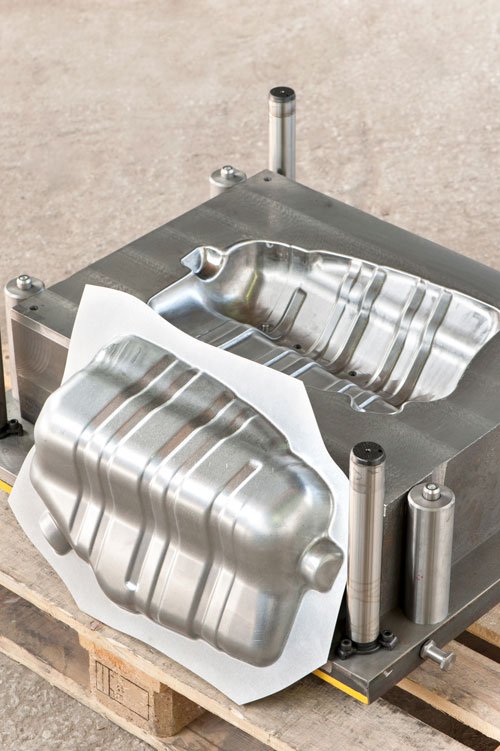
Precision improves product durability and efficiency, adding to consumer satisfaction and brand track record. Industries such as aerospace, vehicle, and electronics especially require high accuracy due to the crucial nature of their applications.
Purchasing precise production processes not just lowers waste and rework yet likewise enhances production timelines. Adopting sophisticated modern technologies and techniques can even more boost accuracy, allowing suppliers to satisfy rigorous sector standards. Inevitably, a commitment to precision in producing fosters technology and competitiveness, positioning companies for lasting success in a vibrant market.
Typical Types of Tolerances in Aluminum Casting
Dimensional Tolerances Explained
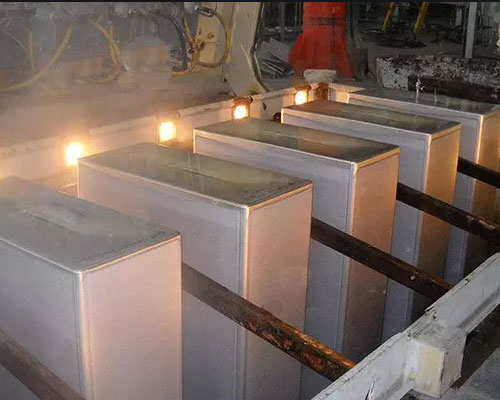
Dimensional tolerances are important in aluminum casting, as they determine the acceptable restrictions of variant in the measurements of actors parts. These resistances assure that components fit effectively and function as planned in their applications. Typical kinds of dimensional resistances consist of direct resistances, which define allowed variants in elevation, length, and width; angular tolerances, specifying allowable discrepancies in angles; and geometric resistances, which attend to the shape and relationship in between attributes. Each kind of tolerance offers a particular purpose, permitting manufacturers to attain the preferred accuracy while suiting the inherent variability of the casting procedure. Understanding these resistances is crucial for producers to guarantee quality, efficiency, and conformity with sector requirements in aluminum casting components.
Surface Area Finish Specifications
Surface area finish criteria play a necessary function in aluminum casting, as they define the high quality and appearance of the end product's surface area. These requirements incorporate various aspects, consisting of roughness, waviness, and the general visual appearance. Frequently referenced standards include Ra (typical roughness), which evaluates surface structure, and the Visual Surface Area Top quality Criteria that give standards for appropriate looks. Different applications call for certain coatings; for example, high-performance components commonly require smoother surfaces to reduce friction and improve longevity. On the other hand, decorative items may focus on aesthetic charm over functional qualities. Understanding these standards enables producers to satisfy consumer assumptions while ensuring conformity with market requirements, ultimately bring about enhanced product performance and client complete satisfaction.
Geometric Resistances Overview
Recognizing geometric resistances is necessary for ensuring the accuracy and capability of aluminum castings. These resistances define the acceptable restrictions of variant for dimensions, forms, and positional connections of attributes within a spreading. Common kinds include monotony, perpendicularity, straightness, and circularity. Monotony tolerance assurances surface areas remain also, while straightness controls the alignment of sides or axes. Circularity keeps roundness in round features, and perpendicularity guarantees that surface areas satisfy at right angles. Each sort of geometric tolerance plays an essential duty in accomplishing accurate fit and setting up of components. Makers need to very carefully take into consideration these resistances throughout the layout and manufacturing phases to avoid pricey rework and assurance item integrity in different applications.
Elements Influencing Resistance Levels
While different aspects can impact tolerance levels in aluminum foundry items, key variables consist of the sort of alloy utilized, the casting process utilized, and the design specs of the element. Various aluminum alloys possess unique buildings that can influence contraction rates, thermal expansion, and mechanical strength, eventually affecting resistances. In addition, the casting process-- whether sand casting, die casting, or investment casting-- establishes exactly how very closely a finished part can comply with specified dimensions. Each approach has fundamental features that impact the accuracy of the final item. The layout requirements, including geometric intricacy and feature sizes, play an important duty in developing acceptable tolerances. Elements with detailed features might need tighter resistances as a result of producing constraints. Understanding these variables enables makers to expect and manage tolerance degrees successfully, making certain that products meet performance demands and top quality criteria.
Gauging Tolerances Accurately
Accurate dimension of tolerances in aluminum foundry products is essential for assuring that parts fulfill their intended specs - Precision aluminum casting. To achieve this, producers should use specific measurement strategies and devices. Usual approaches consist of using calipers, micrometers, and coordinate determining makers (CMMs), each offering varying degrees of precision
It is likewise critical to establish a standardized dimension process, assuring uniformity throughout different operators and devices. This may entail routine calibration of measuring instruments to preserve precision gradually.
In addition, manufacturers must consider environmental elements, such as temperature and humidity, which can influence dimension end results. Implementing a robust quality assurance system that includes routine audits of dimension techniques can better improve accuracy. By prioritizing accurate dimension of resistances, suppliers can decrease errors and guarantee that aluminum parts meet the required specifications, inevitably leading to enhanced manufacturing efficiency and item reliability.
The Influence of Resistances on Product Efficiency
Resistances play an essential role in establishing the efficiency of aluminum products. Precision in tolerances guarantees consistency in capability, which can substantially influence general product reliability. Comprehending the relationship in between tolerance levels and efficiency outcomes is vital for manufacturers aiming useful source to meet industry criteria.
Resistance Accuracy Significance
Accuracy in aluminum foundry resistances plays an important duty in figuring out product efficiency. Precise tolerances ensure that parts meshed as meant, lowering the risk of mechanical failure and enhancing total toughness. Limited resistances add to boosted performance, as they decrease voids and imbalances that might lead to ineffectiveness in procedure. In markets where accuracy is paramount, such as aerospace and vehicle, also small inconsistencies can considerably influence performance results. In addition, right tolerancing assists keep visual top quality, guaranteeing that products fulfill aesthetic criteria. Eventually, adherence to accurate tolerances not just influences the instant performance of the product however also impacts long-lasting integrity and customer complete satisfaction, reinforcing the relevance of precise design and manufacturing methods in the aluminum foundry process.
Performance Uniformity Factors
The performance of aluminum components copyrights considerably on the adherence to defined resistances. Variants in these resistances can cause considerable discrepancies in functionality, affecting elements such as weight, durability, and stamina. As an example, tighter resistances commonly produce parts that fit more accurately, reducing the likelihood of mechanical failure in assemblies. On the other hand, bad adherence to resistances can lead to increased wear, misalignment, and compromised architectural integrity, eventually leading to expensive repair work or replacements. Additionally, regular tolerance levels boost predictability in production, permitting producers to provide trustworthy items to their clients. Because of this, more tips here understanding and applying proper tolerances is essential for maintaining product performance and making certain customer satisfaction in the competitive aluminum making market.
Ideal Practices for Taking Care Of Resistances in Production
Efficient management of resistances in production is essential for guaranteeing top quality and capability in aluminum foundry procedures. Producers need to apply an extensive tolerance method that includes clear interaction of specifications throughout all teams. Routine training sessions can boost employees' understanding of resistance demands, lowering the possibility of mistakes.
Utilizing innovative software program for style and dimension can promote specific tracking of resistances throughout the manufacturing process. Furthermore, conducting constant examinations and audits assurances that items adapt established requirements.
Partnership with suppliers to align resistance expectations can minimize discrepancies and improve general high quality. Maintaining in-depth documentation of tolerance-related processes help in determining patterns and areas for enhancement. By taking on these best techniques, makers can boost performance, lower waste, and ultimately deliver exceptional aluminum castings that fulfill client assumptions. Regular concentrate on resistance monitoring is vital for preserving affordable benefit in the aluminum foundry market.
Often Asked Concerns
How Do Tolerances Impact Price in Aluminum Casting Projects?
Resistances significantly influence price in aluminum casting projects by establishing the accuracy needed throughout manufacturing. More stringent resistances often result in boosted machining, higher scrap prices, and prolonged manufacturing times, inevitably driving up total job expenses.
What Is the Basic Resistance Array for Aluminum Components?
The standard resistance range for aluminum elements generally varies from ± 0.005 inches to ± 0.020 inches, depending upon the particular application and element dimension, making sure appropriate fit and function in various manufacturing processes.
Can Tolerances Be Changed After Production Begins?
Resistances can be customized after production begins, but it commonly needs extra processes, modifications, or retooling. This can cause enhanced costs and prospective hold-ups, making it crucial to establish exact resistances prior to beginning manufacturing.
How Do Environmental Elements Influence Aluminum Foundry Tolerances?

Exist Industry-Specific Resistance Criteria for Aluminum Foundries?
Yes, various industry-specific resistance requirements exist for aluminum foundries, consisting of those established by companies like ASTM and ISO. These standards assure consistency and top quality, dealing with factors one-of-a-kind to specific applications and sectors, such as aerospace and vehicle.
In aluminum casting, different types of resistances play an important role in guaranteeing item high quality. Typical types of dimensional resistances consist of straight tolerances, which define allowed variants in elevation, size, and width; angular tolerances, specifying acceptable variances in angles; and geometric tolerances, which address the shape and partnership in between functions. While various components can affect resistance levels in aluminum foundry items, essential elements consist of the kind of alloy utilized, the casting procedure utilized, and the layout specifications of the element. Accurate dimension of tolerances in aluminum foundry over here products is crucial for ensuring that elements meet their intended specifications. Precision in aluminum foundry tolerances plays a crucial function in establishing product performance.